
How to Spot a Fake Cuban Cigar Without Falling for the Band Alone
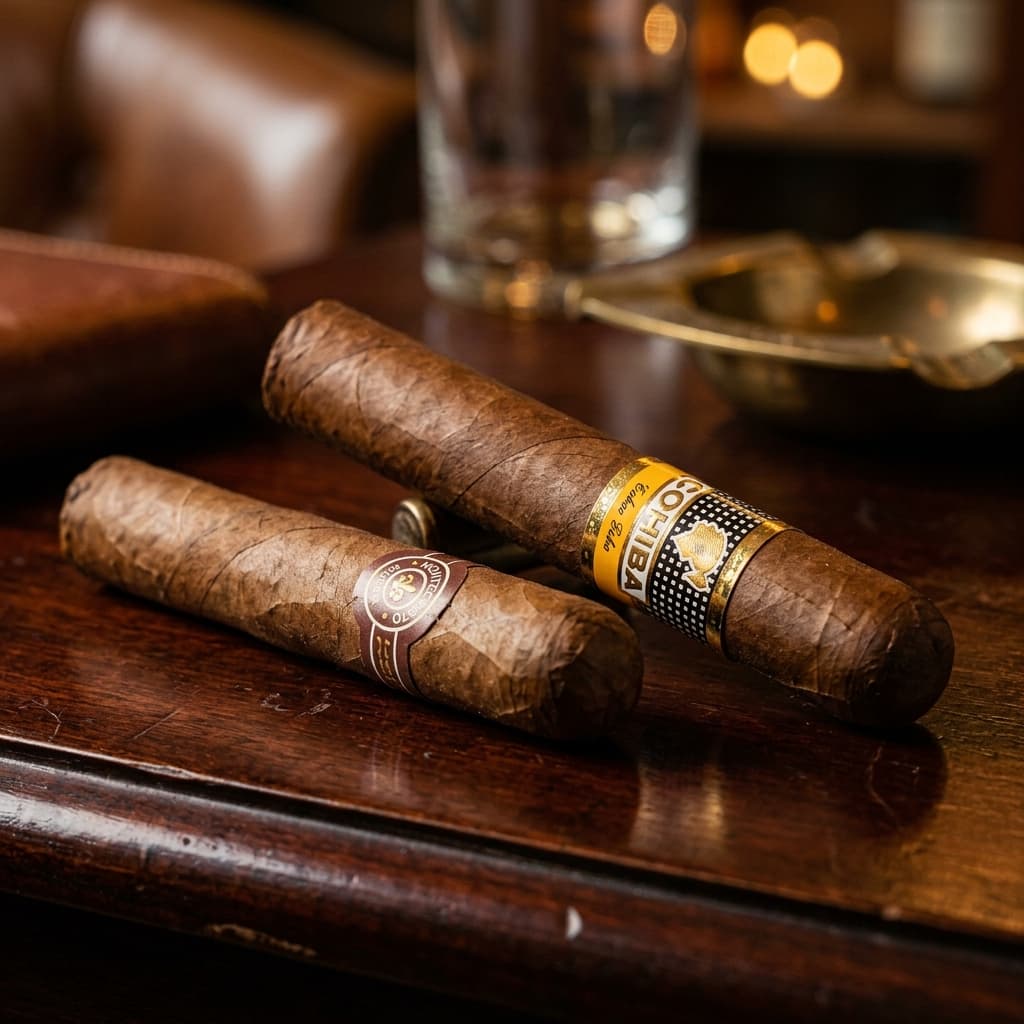
Counterfeit Cuban cigars are easy to sell because packaging is easier to copy than provenance. Experienced smokers start with the seller, the storage story, and the price long before they trust a band.
Start with the source
If the cigar came from a hotel gift shop, a vacation market, or a vague private source, treat the whole purchase carefully. Clear receipts, believable pricing, and a real merchant matter more than a polished label.
A legitimate source with average packaging is still safer than a perfect-looking fake from an unknown seller.
- Ask who sold it and how it was stored.
- Treat bargain-box pricing as a warning sign.
- Compare several cigars from the same box, not one photo.
Use the cigar as evidence
Loose construction, cardboard aromas, odd wrapper color, sloppy caps, and inconsistent sizing often reveal more than the band. Box codes and seals help, but they are not magic if the cigar itself looks wrong.
When in doubt, compare with a confirmed authentic cigar and slow the decision down. Most expensive mistakes happen because the buyer wanted the story to be true.
Authenticity starts with provenance. The band is only supporting evidence.